
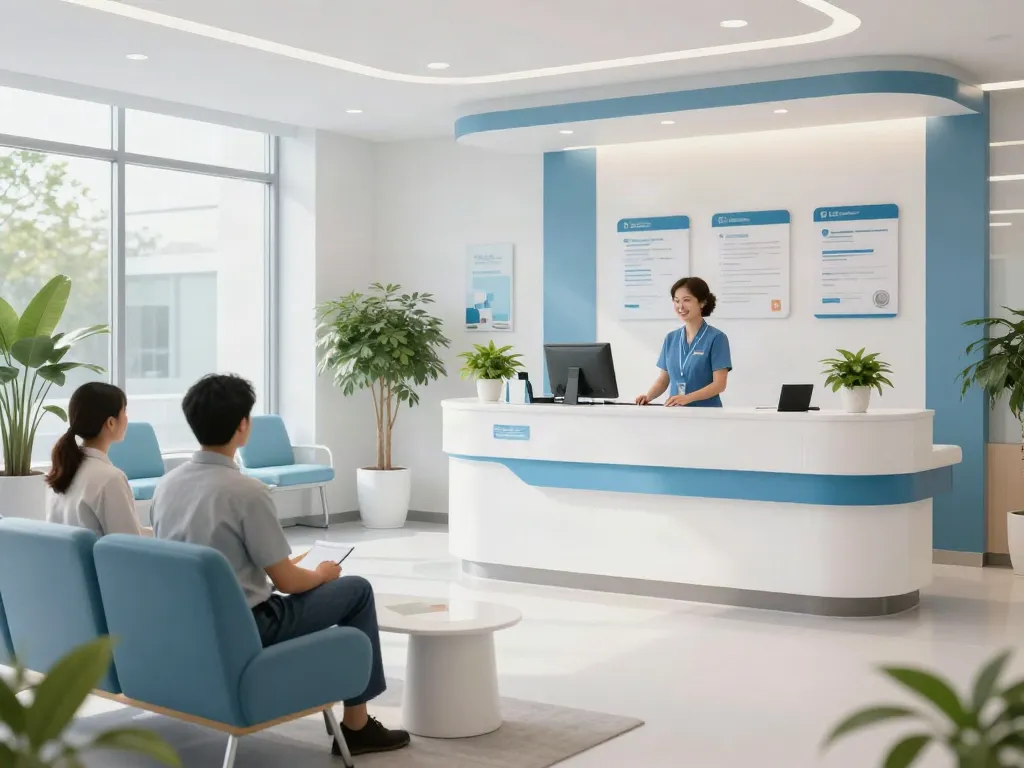
Understanding the Link Slot Concept in Healthcare
The world of healthcare is continuously evolving, with innovative concepts emerging to optimize patient care and improve health outcomes. One such concept is the "link slot," which streamlines the flow of information between patients, healthcare providers, and systems. By leveraging this approach, healthcare professionals are better equipped to deliver timely, patient-centered care, ultimately enhancing the overall patient experience. When exploring options, link slot provides comprehensive insights into how digital integration can reshape traditional care models.
Defining Link Slot: What it Means for Patients
The term "link slot" refers to a method of organizing and connecting various components of patient data and healthcare services. It creates a seamless connection between patient information systems, allowing healthcare providers to access relevant data at critical moments. For patients, this means reduced duplication of tests, quicker diagnoses, and a more cohesive treatment experience, leading to improved health outcomes.
Link Slot Applications in Telemedicine
Telemedicine has transformed the way patients access healthcare, making it possible to consult with providers remotely. The integration of link slot capabilities enhances telemedicine by ensuring that all patient information is readily available during virtual visits. This can include medical histories, lab results, and medication records, allowing for informed decision-making even when physical interactions are not possible.
Evaluating the Benefits of Link Slot for Healthcare Providers
Healthcare providers experience numerous advantages through the implementation of link slots. Primarily, it enhances the efficiency of care delivery by minimizing administrative tasks associated with data retrieval. Additionally, link slots help reduce medical errors, enhance communication among healthcare teams, and ultimately improve patient satisfaction rates. As a result, clinicians are able to focus more on patient care rather than paperwork.
Innovative Healthcare Services for 2026
The future of healthcare hinges on the adoption of advanced technology and innovative service models. As we approach 2026, several trends are emerging that are set to shape healthcare delivery.
Advanced Healthcare Technology Integration
With the rapid advancement of technology, healthcare systems are increasingly adopting AI-driven solutions and analytical tools to enhance patient assessment and treatment protocols. Such integrations allow for real-time data analysis, leading to tailored treatment plans that align with each patient's unique needs. Furthermore, these technologies facilitate proactive monitoring, enabling early intervention before complications arise.
Personalized Patient Care Approaches
In 2026, personalized medicine will take center stage, allowing for treatments customized to the individual's genetic makeup, lifestyle, and health status. The shift towards personalized care seeks to improve efficacy and reduce adverse effects. By harnessing genetic and molecular data, healthcare providers can offer patients treatments that are significantly more effective than traditional one-size-fits-all approaches.
Comprehensive Preventive Health Strategies
Preventive health will become a crucial focus in upcoming healthcare reforms, with an emphasis on regular screenings, vaccinations, and lifestyle management programs. By promoting preventive measures, healthcare providers can reduce the incidence of chronic diseases and enhance longevity. Patients are encouraged to engage in discussions about preventive strategies with their healthcare providers to ensure a well-rounded approach to personal health.
Patient Experiences: What to Expect
The patient experience is pivotal to achieving quality healthcare. Understanding what to expect can empower patients to be more proactive in their care management.
Building Trust in Patient-Centered Care
Trust forms the foundation of the patient-provider relationship. Patients are more likely to adhere to treatment plans and engage in their care when they trust their providers. To foster this trust, healthcare professionals should prioritize open communication, compassion, and transparency throughout the treatment process.
Assessing the Digital Health Landscape
As digital health tools continue to proliferate, patients can now monitor their health using apps and devices that track everything from heart rate to glucose levels. It's essential for patients to assess the credibility and security of these digital health solutions while remaining informed about how they fit into their overall care strategy.
Real Patient Stories: Navigating Healthcare with Link Slot
Real-life patient anecdotes can provide valuable insights into how the link slot concept is streamlining healthcare experiences. Patients who have experienced efficient, organized care often report higher satisfaction levels, stemming from their ability to receive timely diagnoses and avoid unnecessary procedures.
Best Practices in Patient Care and Communication
Effective communication is pivotal in healthcare. The following best practices can significantly enhance patient-provider interactions:
Effective Communication Strategies for Better Outcomes
Providers should ensure that communication is clear, concise, and tailored to each patient’s level of understanding. Employing active listening techniques and confirming patients' understanding will promote better engagement and adherence to treatment plans.
Patient Rights and Advocacy in Modern Healthcare
Every patient has rights that must be respected and upheld within the healthcare system. Providers must ensure that patients are aware of their rights, including informed consent and access to their medical records. Additionally, patient advocates can help individuals navigate complex care systems, ensuring their voices are heard and needs met.
Empowering Patients through Education
Education is a powerful tool that enables patients to take ownership of their health. Informative materials, workshops, and counseling can provide insights into managing conditions and promoting overall well-being. Empowered patients are more likely to engage actively in their care and make informed health choices.
Future of Healthcare: Trends to Watch in 2026
The healthcare landscape is continuously shifting, with several emerging trends set to impact patient care in the coming years.
Emerging Technologies Shaping Patient Care
AI, machine learning, and big data analytics are becoming integral to healthcare delivery, allowing for improved diagnostics and treatment planning. These technologies raise the potential for predictive models that can forecast health issues before they develop, leading to earlier interventions.
Link Slot and its Impact on Health Insurance Navigation
Link slots are also poised to simplify the often-complex interactions with health insurance, helping patients to identify coverage benefits without confusion. By organizing relevant data, patients can navigate their plans more effectively, ensuring access to necessary services.
Mental Health Innovations: Addressing Tomorrow's Challenges
As mental health continues to gain prominence, healthcare systems must innovate to provide greater access to mental health resources. Technology-driven mental health apps, teletherapy, and community support networks will help bridge gaps in service and improve access to care.